LogisticsLast updated
What is Reverse Logistics and How Should Your Brand Handle Returns?
Reverse logistics is what happens after a customer sends an order back. How to receive, grade and resell returns before they lose their value.
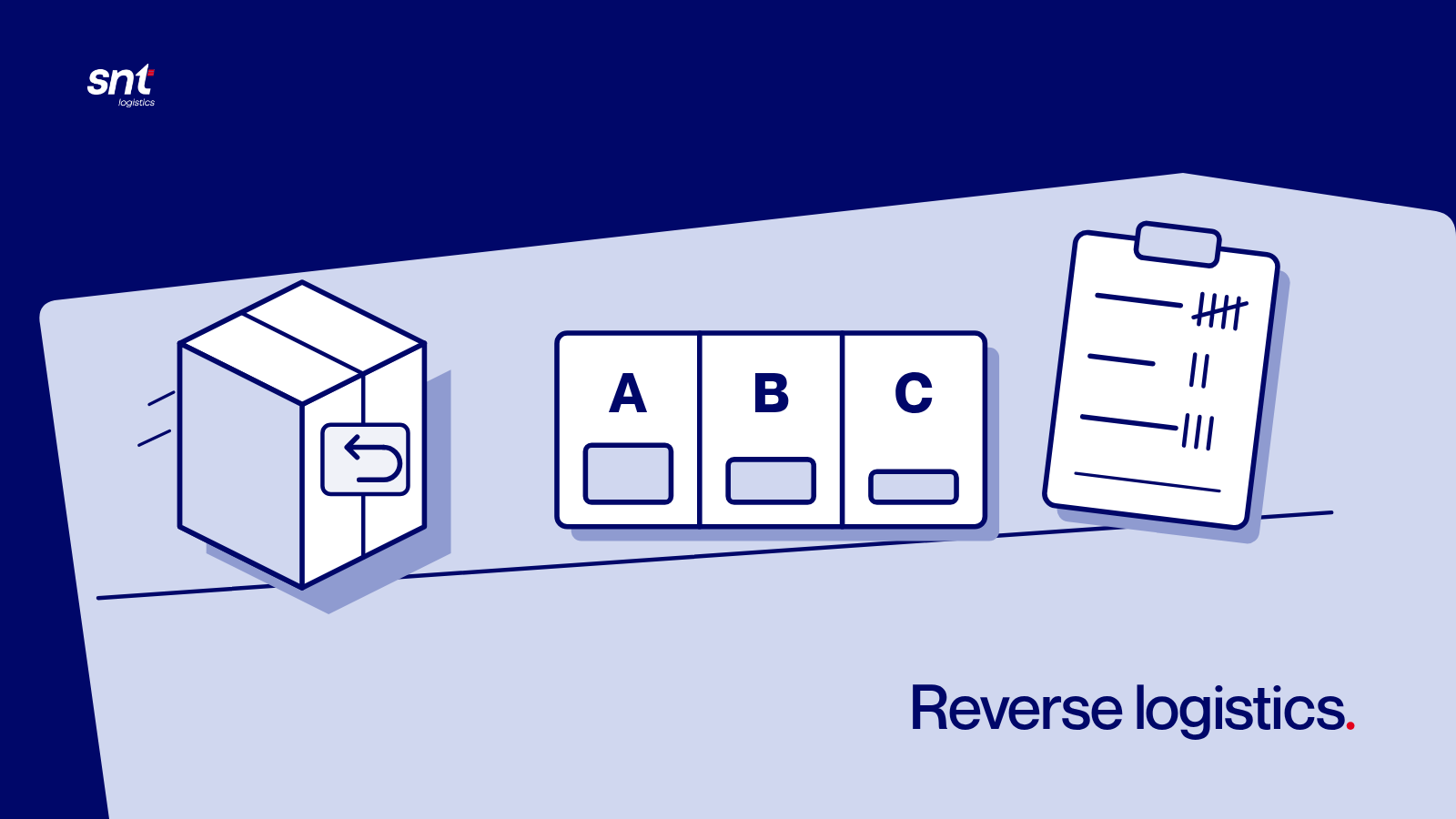
Reverse logistics is the movement of goods from the customer back to the business: collecting a return, checking it, and deciding whether it goes back on sale, gets repaired, is sold off cheaply or is written off. For a brand selling online, it is mostly returns handling. How well you run it decides how much of each returned item's value you get back.
The scale is easy to underestimate. In the US, retailers expected 16.9% of their 2024 sales to be returned according to the National Retail Federation. There isn’t an equivalent published figure for Malaysia, but the mechanism is the same everywhere: a return is stock you have already paid for, and it can lose value the longer it waits.
How the Reverse Logistics Process Works
A return moves through four stages, and the time it spends between them is where the money goes.
1. Collection
The customer sends the item back, either by booking a courier pickup or by dropping it at a collection point. Drop-off is often easier for the customer, because they return it on their own schedule rather than waiting at home. We work with CollectCo, whose network covers more than 1,000 collection points across Malaysia where customers can drop off returns.
2. Receiving
The parcel arrives at the warehouse and is matched to its original order, with the customer's reason for returning it recorded. A return that cannot be matched to an order cannot be refunded or restocked cleanly, so this step needs the order number on the parcel. A customer name alone is not enough.
3. Grading
Someone opens the parcel and decides what condition the item is in. A simple scheme uses four grades: unused and resaleable as new, resaleable after repackaging or a minor fix, sellable only at a discount, and not sellable at all.
4. Routing
Each grade has a destination. Resaleable stock goes back to its pick location and back on sale. Items that need work go to a rework bench. Discount stock goes to an outlet channel, a bundle or a clearance sale. The rest is written off, recycled or donated, and recorded as a loss against the SKU.
What Return Reasons Reveal About Your Operations
Every return carries a reason, and the reasons point at problems you can fix upstream.
- An item damaged in transit points at packaging or handling.
- A wrong item points at picking accuracy, which scanning at pick and at pack is designed to catch.
- "Not as described" or "wrong size" points at the product listing: the photos, the size chart or the description.
Tally the reasons by SKU every month. A single product with a cluster of size complaints is a listing to rewrite, not a returns problem.
Signs It’s Time to Upgrade Your Reverse Logistics
Returns handling deserves your attention now if any of these is true:
- returns wait more than a few days before anyone opens them
- products show as out of stock online while returned units sit unprocessed
- you cannot say what your return rate is for your top ten SKUs
- customers chase you for refunds on items you have already received
That last one costs more than the refund. In the same NRF survey, 67% of US consumers said a negative return experience would discourage them from shopping with a retailer again.
If returns are arriving faster than your team can grade them, reach out to us for a quote
Reverse Logistics FAQs
What is the difference between reverse logistics and returns management?
Returns management is the customer-facing part: the policy, the refund and the communication. Reverse logistics is the physical part: collecting the item, receiving it, grading it and sending it to restock, rework, clearance or write-off. A brand needs both to work together.
How quickly should returns be inspected after they arrive?
We know of no industry standard that sets a deadline, but faster is better, because a returned item is sellable stock until its season passes. Aim to open and grade returns within the week they arrive, and daily during and after a sale.
What should happen to returns that cannot be resold?
Sell what you can at a discount through an outlet channel, bundle or clearance sale. Repair what is worth repairing. Donate or recycle the rest, and record each write-off against its SKU, so the losses show up where you can act on them.
Can a 3PL handle returns for a brand?
Yes. A 3PL can receive returns, match them to orders, grade them to your rules and restock or set aside each item. Before you hand returns over, ask how it grades, how quickly it processes them, and how it reports reasons back to you.
Read more
How to Reduce Logistics Costs Without Compromising Service
How to reduce logistics costs: price each line per order, then cut idle stock, oversized cartons and picking walks before you touch the courier.
Omnichannel vs Multichannel Fulfilment: Which Setup Is Right for Your Brand?
Omnichannel vs multichannel fulfillment: separate stock per channel, or one stock count for all. What each does well, and the signs it's time to switch.
3 Signs Your Fulfillment Service is Holding You Back
Is your fulfillment service falling behind? Three signs to check: missed cut-offs, errors you hear about from customers, and requests that take a week.
Which 3PL Provider in Malaysia is Right for Your Lifestyle Brand?
3PL providers in Malaysia compared: DHL, Ninja Van, Locad, URSTORE, SNT and marketplace fulfilment, and which type suits which kind of brand.